
Many schools and community spaces want playgrounds where every child feels welcome. Parents also look for places where siblings and friends can play together, not in separate areas. When planning a new playground, people often ask what makes one truly open to all children. The answer is not only about safety or durability. It is about access, comfort, and shared experience.
Inclusive playground equipment means the playground is planned so children of different abilities can use the same space at the same time. It includes clear paths, easy routes, and activities at ground level. Children using mobility devices or needing wheelchair access can reach activities without help. It also supports kids with developmental disabilities through calm areas, movement options, and simple interaction points. The goal is shared inclusive play instead of watching from the side.
Why Is Having Inclusive Playground Equipment Important?
An accessible playground helps children feel included. When kids play together, friendships form faster. Children learn patience, communication, and teamwork during everyday play. These lessons happen naturally and do not require structured teaching.
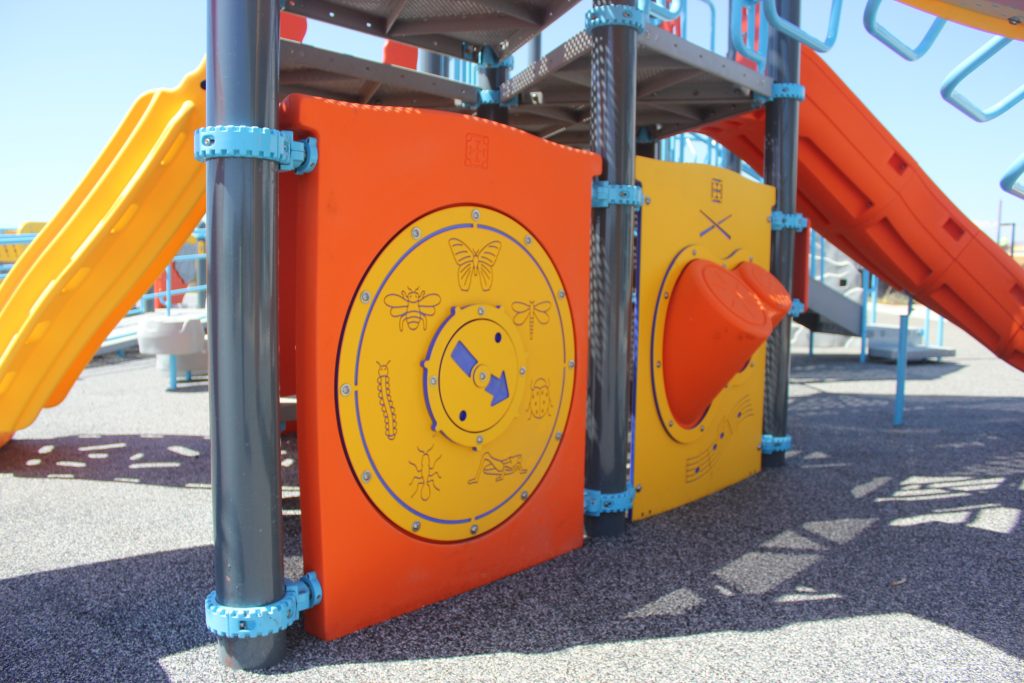
Some children avoid high climbers or crowded platforms. Others need motion to stay focused. A good playground offers choices. Quiet panels, gentle rocking activities, and group games allow every child to join. This supports both physical and social growth while reducing frustration during recess or free time.
However, inclusion goes further than compliance. Instead of adding one ramp, the playground offers multiple ways to reach activities. Ground panels, transfer stations, and wide routes allow children to move independently and confidently.
A balanced layout should feel sensory rich but not overwhelming. Music panels, textures, and cooperative activities create engaging sensory play. Children stay longer and conflicts decrease because everyone finds an activity they enjoy.
Inclusive playgrounds also improve how families view a location. Parents return to places where all children can participate. The playground becomes a gathering place for the community rather than a limited use area.
Who Should Consider Inclusive Playground Equipment?
Any place that serves children can benefit from inclusive design. The goals may differ from site to site, but the challenge is usually the same. You need one playground that works for many abilities without separating kids into different areas.
Inclusive planning does not remove challenge or fun. It simply offers more ways to participate. A well planned play space supports active play, social interaction, and quiet engagement at the same time. Children stay involved, and staff spend less time solving conflicts or redirecting activity.
If you are interested in creating an inclusive playground in San Diego, Orange County, Riverside County, or Imperial County, you’re probably wondering what type of spaces they are ideal for.
Below are some of the most common locations where inclusive playgrounds make a clear impact.
School Playgrounds
Schools welcome different students every year. Some need physical access while others need calmer places to play. Inclusive play structures keep recess shared instead of splitting students into separate activities.
Teachers notice fewer children sitting out. Students join at their comfort level, which helps reduce behavior issues. Kids who usually avoid recess begin interacting more with classmates. These daily interactions support social learning just as much as classroom lessons.
The layout also helps supervision. Clear paths and varied zones spread students out across the playground. Staff spend less time managing crowding and more time encouraging positive play.
Church Playgrounds
Church grounds often host more than services. They hold classes, family events, and outreach programs. Inclusive play equipment helps visiting families feel comfortable staying longer and coming back.
Children from different families play together, which naturally builds connection. Parents relax when they see their child can participate without extra help or special arrangements.
Inclusive playgrounds also support daycare and after school programs. Instead of being a limitation, the playground becomes a welcoming feature for families with accessibility needs.
Park Playgrounds
Public parks serve a wide range of ages and abilities. A standard playground may work well for some children but leave others out. Thoughtful playground equipment helps the park work for more visitors.
Families choose parks where siblings can play together. This increases visit length and encourages repeat trips. Communities also see inclusive parks as a positive investment in residents.
Cities often notice fewer complaints and better feedback. An inclusive park quickly becomes a preferred gathering spot because it serves more people without special accommodations.
Playgrounds for Commercial Recreation Areas
Campgrounds, resorts, and private recreation businesses rely on good family experiences. Inclusion directly affects whether families return. Parents choose places where all children can participate.
Accessible activities mean parents do not need to supervise from the sidelines. Children stay engaged longer, which improves the overall visit.
Inclusive play areas also strengthen reputation. Reviews frequently mention whether children felt included. A well planned playground becomes a feature families actively look for when booking.
Playground for Community Centers
Community centers run programs for mixed ages and abilities. Working with an inclusive playground designer helps ensure the playground supports activities rather than limits them.
After school programs benefit from variety. Some children prefer movement while others choose quiet interaction. Inclusive layouts allow both at the same time without separating groups.
The playground also works as a shared gathering area during events and classes. When everyone can use it comfortably, participation grows and the center stays active throughout the day.
Create an Inclusive Playground in Orange County, San Diego, Riverside County, Imperial County
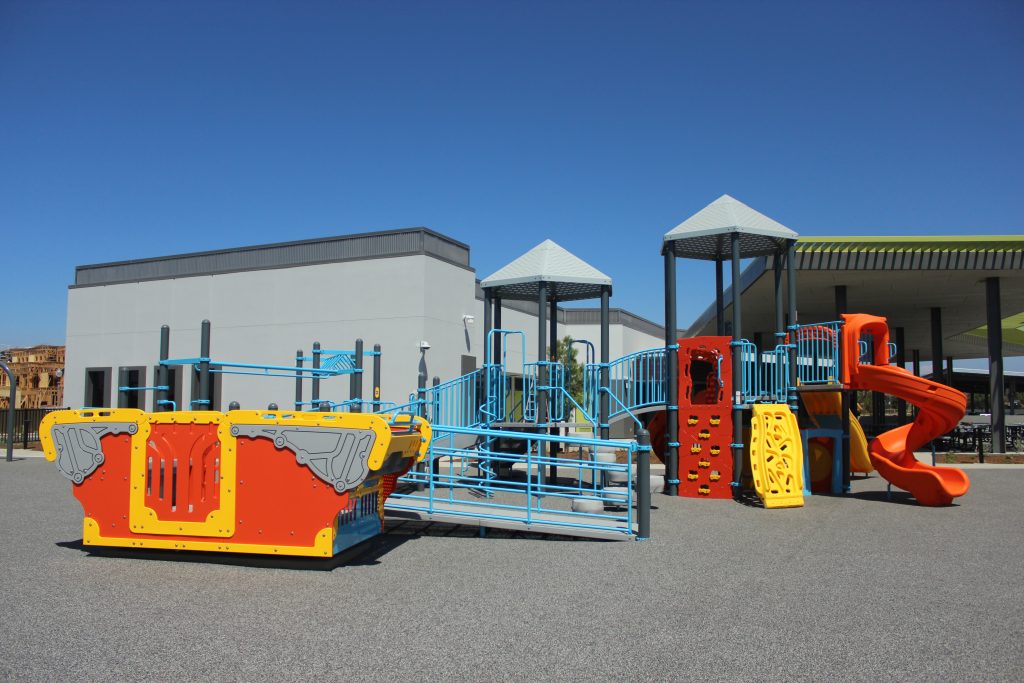
Inclusive playgrounds require planning, not just selecting products. Pacific Play Systems works with organizations to understand users, site layout, and long term goals. We help arrange paths, activity zones, and gathering areas so children move safely and easily.
Our team supports schools, public facilities, and private companies from early ideas to installation. We focus on layouts that welcome more users while staying durable and easy to maintain. The goal is a playground children can use daily without barriers.
If you are planning a new playground or updating an existing one, Pacific Play Systems can review options and suggest practical solutions. Contact us to start building a playground where more children can play together and feel included.