
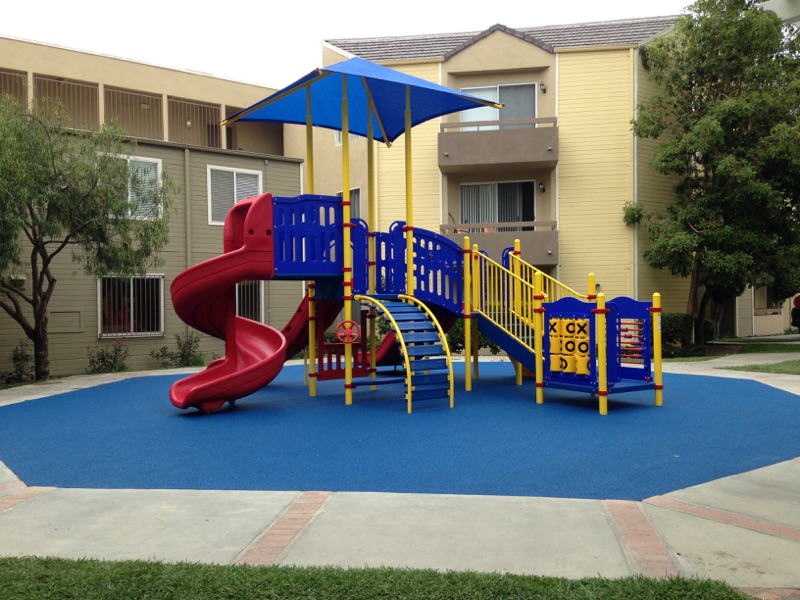
Choosing new school playground equipment takes careful planning. A playground affects how students move, socialize, explore, and return to class after recess. It also affects supervision, campus appearance, long-term maintenance, and the way your outdoor space supports daily school life.
When choosing a playground design service, these tips will help you review the features that matter most before making a decision. The right plan should look beyond slides and climbers. It should help you compare safety, durability, access, student development, and layout flow so your school can choose equipment that fits your site and daily use.
1. Following playground safety standards
Safety should guide every school playground decision. The equipment, layout, spacing, and surfacing all work together. A strong structure alone is not enough. Students need a play area that supports active movement while helping staff supervise with confidence.
A safe playground design should reduce hidden corners, sharp edges, pinch points, and confusing routes. Teachers and staff should have clear sightlines across key play zones. When adults can see platforms, pathways, and gathering areas, they can respond faster during recess or outdoor breaks.
Surfacing also matters. The surface should fit the equipment height, expected use, and movement patterns around the play area. Students should have enough room to enter, exit, climb, slide, and gather without crowding. A well-planned layout helps children move naturally through the space.
Safety standards should not feel like a separate checklist. They should shape the full design. When safety planning starts early, your school can create a playground that supports daily use, active play, and easier supervision.
2. Durability for daily school playground use
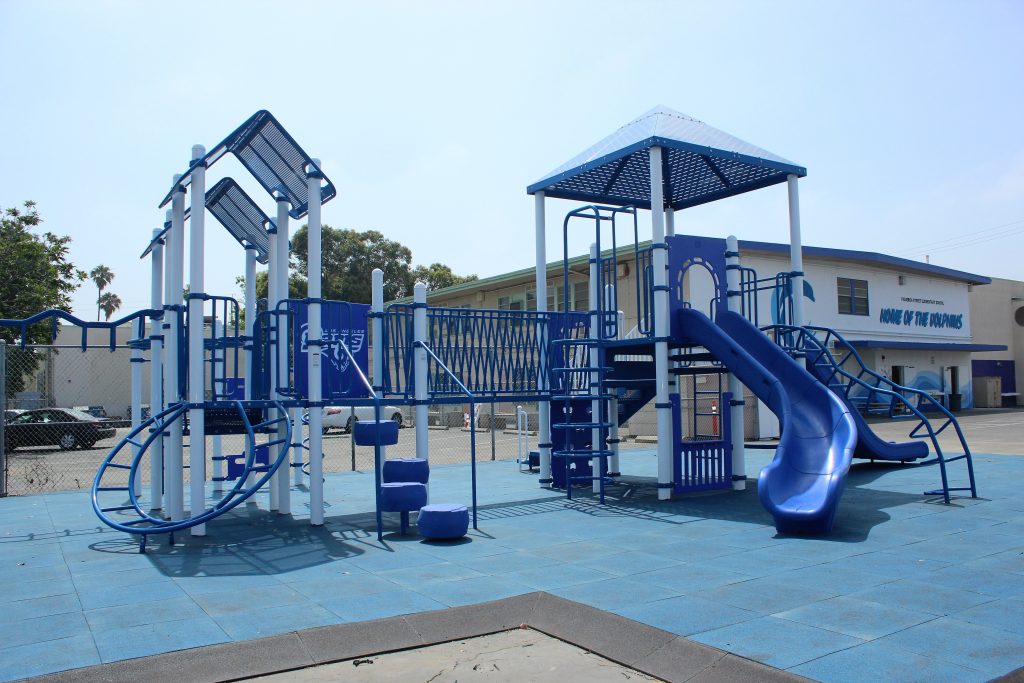
School playgrounds handle heavy use. Many students may use the same climbers, panels, slides, and platforms every day. During recess, that use often happens in short, busy periods. This makes durability one of the most important features to review.
Durable school playground equipment should withstand frequent climbing, gripping, running, and weather exposure. Materials should resist fading, cracking, loosening, and surface wear. Hardware should stay secure through temperature changes and regular student use.
Durability also affects long-term value. A playground that needs frequent repairs can interrupt recess and create extra maintenance concerns. Strong equipment helps reduce closures and keeps the play space available for students.
Schools should look closely at how materials perform over time. Coatings, fasteners, posts, decks, and panels all need to support commercial use. A lower upfront cost may not help if the equipment wears down too quickly.
A durable playground does more than last longer. It helps your school protect its investment. It also gives students a consistent outdoor space they can enjoy throughout the school year.
3. Inclusive playground design for students
Schools serve children with different abilities, comfort levels, and play styles. Inclusive playground design helps more students take part. It gives children meaningful ways to play together, even when they move, learn, or interact in different ways.
Inclusive equipment may include ground-level activities, sensory panels, accessible routes, and varied movement options. These features allow students to join without relying only on climbing. Some children may prefer quiet interaction. Others may enjoy active play or imaginative games.
An inclusive playground should offer choice. Students should not feel limited to one activity because of age, ability, or confidence. A thoughtful design gives children different ways to explore the same space.
Inclusive design also supports social connection. When students can use nearby activities together, they interact more naturally. This can make recess feel smoother for children and easier for staff to manage.
The goal is not to make every feature the same. The goal is to create a play environment where more students can participate. A school playground should feel welcoming, practical, and useful for the full student community.
4. Developmental value beyond fun
A school playground should be fun, but it can also support child development. Outdoor play helps students practice balance, coordination, problem solving, communication, and cooperation. These benefits matter during recess, physical education, and unstructured play.
Climbers can help children build strength and body control. Slides and bridges can support movement planning. Interactive panels can encourage communication, turn-taking, and imaginative play. Open areas can support group games, creativity, and social decision-making.
Different activities also help spread students across the playground. When children have several options, they do not all wait for one popular feature. This can reduce crowding and help recess move more smoothly.
Playgrounds can also support focus after outdoor breaks. Students often need time to move, reset, and release energy before returning to class. A well-designed playground gives them a healthy space to do that.
Strong school playground equipment should offer more than visual appeal. It should give students ways to move, think, cooperate, and explore at their own pace.
5. Age-appropriate playground layout and flow
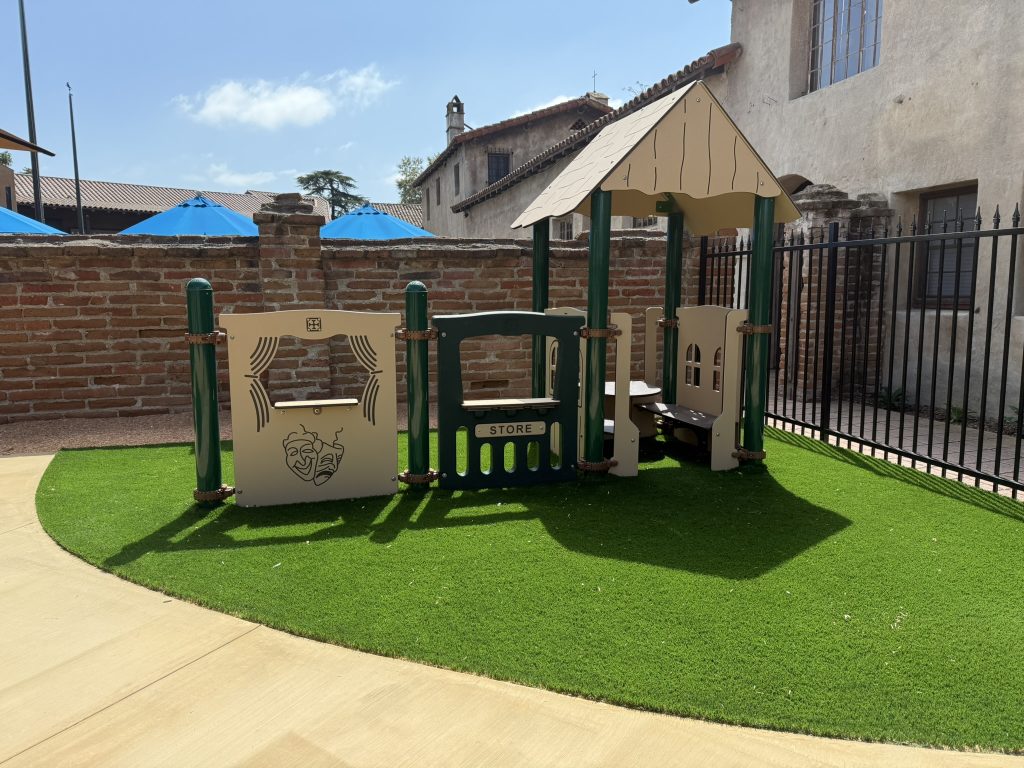
Younger and older students do not use playgrounds the same way. Younger children often need shorter routes, lower platforms, simple access points, and easy-to-understand play features. Older students may need more challenge, height, movement variety, and social space.
Age-appropriate layout helps prevent crowding and frustration. When all students use one structure in the same way, faster children may overwhelm younger ones. Separate zones can help each age group play with more confidence.
A good layout should still support supervision. Schools need clear visibility across different play areas. Zones should feel connected, but not crowded. Staff should be able to watch active areas without losing sight of quieter spaces.
Flow also matters. Students should move through the playground without crossing paths too tightly. Entry points, exits, slides, climbers, and gathering spots should feel natural. Good circulation helps reduce waiting and keeps children engaged.
Age-appropriate school playground design makes recess more organized. It supports different stages of development while helping staff manage the space during busy school days.
Choosing school playground equipment with the right support
The best school playground equipment brings several features together. Safety, durability, inclusion, developmental value, and layout flow should work as one complete plan. When these features support each other, your school can create a play space that fits students, staff, and the campus.
Pacific Play Systems helps schools plan commercial playground equipment for daily use. Our team can help you compare equipment, review site needs, plan activity zones, and choose materials suited for school environments. Contact us to schedule a free consultation and start planning a safe, engaging playground your students can enjoy.