
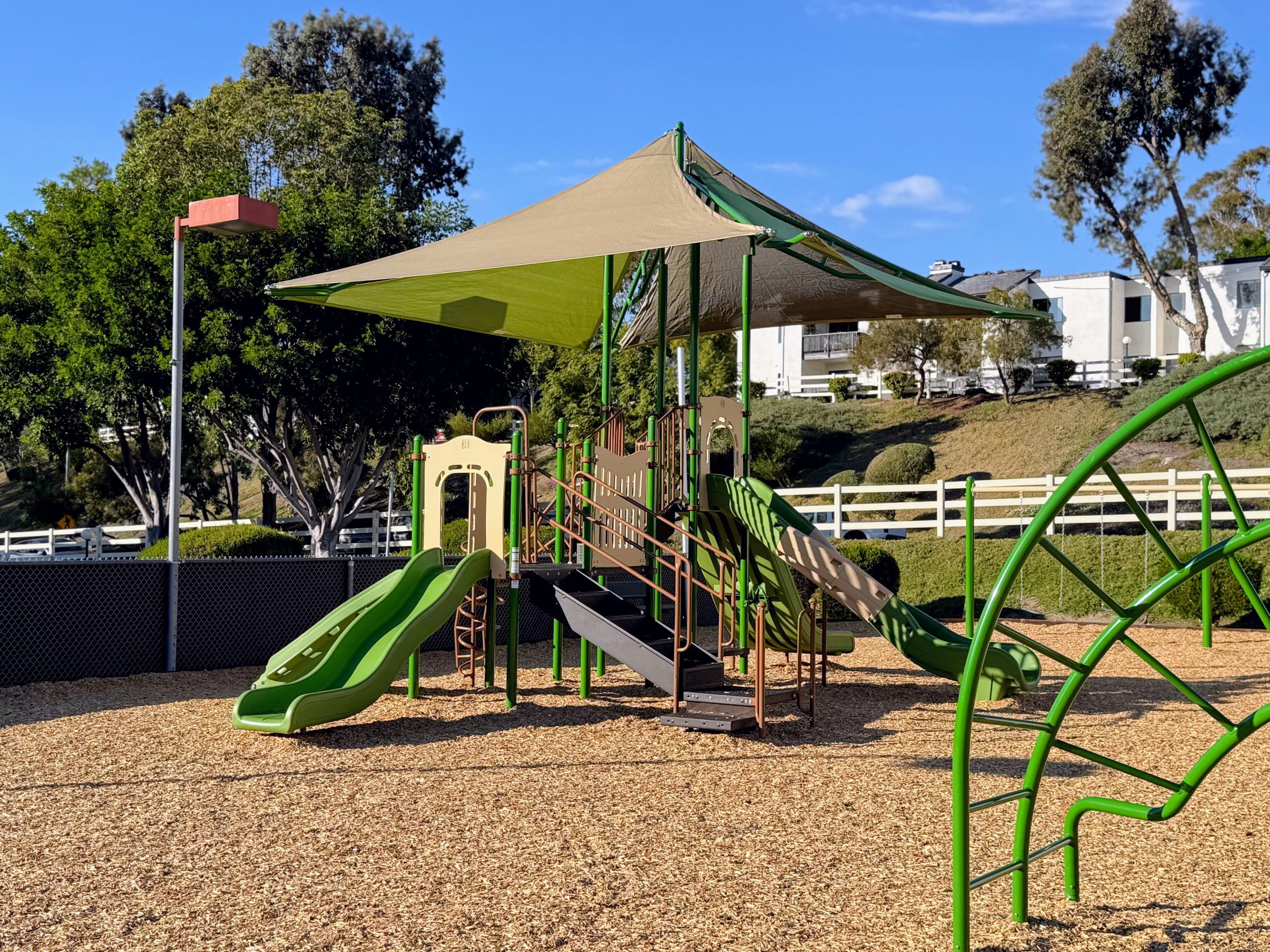
A playground should offer more than equipment. It should create opportunities for children to move, explore, and connect. Yet many traditional playgrounds create barriers. A child may reach the play area but still struggle to join the activities. This can separate friends, classmates, and siblings during play.
So, what is inclusive playground equipment? It includes play features designed for children with different physical, sensory, social, and developmental needs. However, equipment is only part of the answer. The layout, surfacing, routes, and activity choices also shape the experience. Inclusive playground design brings these parts together. It gives children several ways to participate without placing accessible features in a separate area. The result is a shared space where more children can play comfortably and confidently.
What Makes Playground Equipment Inclusive?
Inclusive equipment gives children different ways to enjoy the same play space. Some children may climb or slide. Others may prefer spinning, rocking, touching activity panels, or playing beside friends. Each option should feel like a meaningful part of the playground.
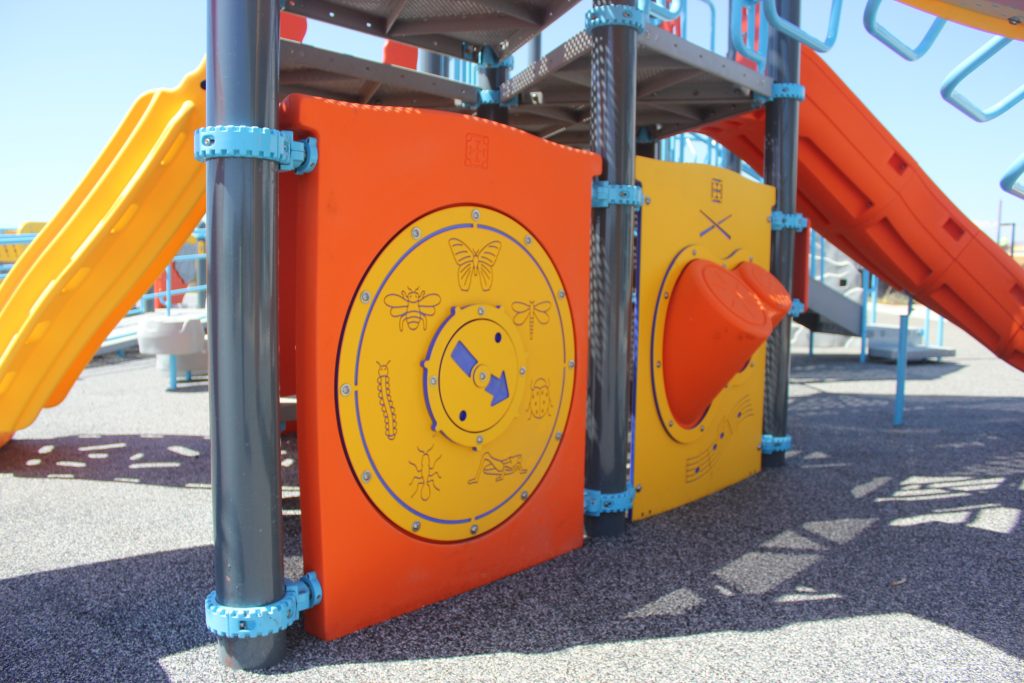
Ground-level activities play an important role. They allow children to participate without entering an elevated structure. Examples can include musical panels, sensory features, play tables, and interactive games. Transfer platforms and accessible elevated routes may help more children reach raised activities.
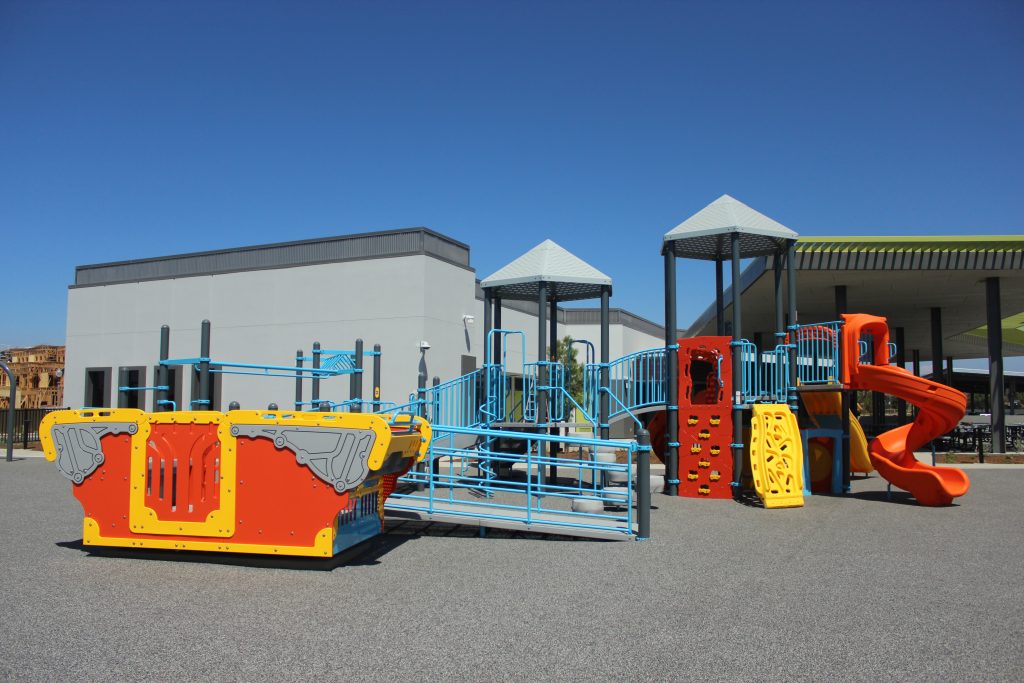
Placement also matters. Accessible features should sit within the main play area. Children should not need to move into a separate zone to use them. When activities connect naturally, the playground encourages interaction instead of separation.
How Inclusion Goes Beyond Basic Access
An accessible playground and an inclusive playground share important goals. However, the terms do not always mean the same thing. Accessibility focuses on removing physical barriers and meeting applicable requirements. Inclusion considers the quality of each child’s play experience.
For example, an accessible route may lead into the playground. That route alone does not ensure a child can enjoy varied activities. Inclusive planning asks additional questions. Can children play together? Are there activities at different challenge levels? Can someone take a break without leaving the space?
A strong design also considers caregivers. Adults using mobility devices need room to enter, supervise, and assist children. Comfortable gathering areas can help families stay connected. These details turn basic access into a more welcoming experience for everyone.
Design Features That Support Different Needs
Children experience playgrounds in different ways. Some enjoy fast movement and physical challenges. Others prefer predictable activities or quieter spaces. A balanced playground provides choices without making the layout confusing.
Sensory play can include textures, sounds, colors, and hands-on panels. These features encourage children to explore at their own pace. Motion equipment can support children who enjoy rocking, swinging, or spinning. Cooperative activities give several children a reason to communicate and work together.
The layout should also help manage stimulation. Busy activities can sit away from calmer areas. Open sightlines help caregivers supervise without standing beside every activity. Shade and seating may offer places to rest between activities. These choices support children who need breaks while keeping them close to family and friends.
What ADA Playground Requirements Cover
The Americans with Disabilities Act sets accessibility requirements for covered play areas. These standards address accessible routes, ground surfaces, ground-level activities, and elevated play components. Requirements can vary based on the playground and the number of components provided.
Accessible routes must connect required play components. The standards also require access to a certain number and variety of ground-level activities. When a playground includes elevated components, at least 50 percent generally must connect to an accessible route. Larger structures may require ramp access to some elevated activities.
Surfacing is another key part of access. A route does little good if the surface becomes difficult to cross. The selected material must meet applicable accessibility requirements and receive proper care. The 2010 ADA Standards provide the formal requirements. A qualified playground professional can help you apply them to your site. ADA access creates an essential foundation, but thoughtful design helps you build a fuller inclusive experience.
Why Inclusive Play Matters to Children and Communities
Play gives children room to practice communication, problem-solving, and cooperation. When children with different abilities share a playground, these lessons happen through everyday interaction. A group game may encourage teamwork. A play panel may start a conversation. A wide platform may let friends enjoy an activity together.
Inclusive spaces can also give children more independence. Clear routes and reachable activities reduce the need for constant adult help. Children can choose how they participate and change activities when they feel ready. That freedom can make play more comfortable and rewarding.
The wider community benefits too. Parents often look for places where siblings and friends can stay together. Schools can support shared recess. Parks, churches, HOAs, apartments, and community centers can welcome more families without creating separate play spaces. The playground becomes a place for connection across the community.
Where Inclusive Planning Makes a Difference
Every location has different users and priorities. A school may need activity choices for students with varied physical and sensory needs. A public park may serve children across several age groups. Churches and community centers may welcome new families during programs, services, and events.
Apartments and HOAs can use inclusive planning to create a shared amenity for residents. Commercial recreation areas may need equipment that supports children with different comfort levels. In each setting, the goal remains similar. You want children to find an activity they can enjoy without feeling separated.
Inclusive planning can support both new construction and playground updates. You may not need to replace every feature at once. A site review can identify barriers, missing activity types, surfacing concerns, or disconnected routes. This information helps you set priorities and use your available budget with greater purpose.
Plan a Playground Where More Children Can Participate
Inclusive play begins with understanding the people who will use the space. Consider their ages, abilities, interests, and preferred ways to play. Then review the full site. Look at arrival routes, surfacing, equipment placement, gathering areas, shade, and seating. Each element should support a clear and connected experience.
Pacific Play Systems helps schools, parks, churches, HOAs, apartments, and other organizations plan inclusive commercial playgrounds in Southern California. We can review your site, discuss your goals, and develop a playground design that fits your space and budget. Our team also supports equipment selection and turnkey installation.
Contact us for a free consultation and start planning a playground where more children can play together.