
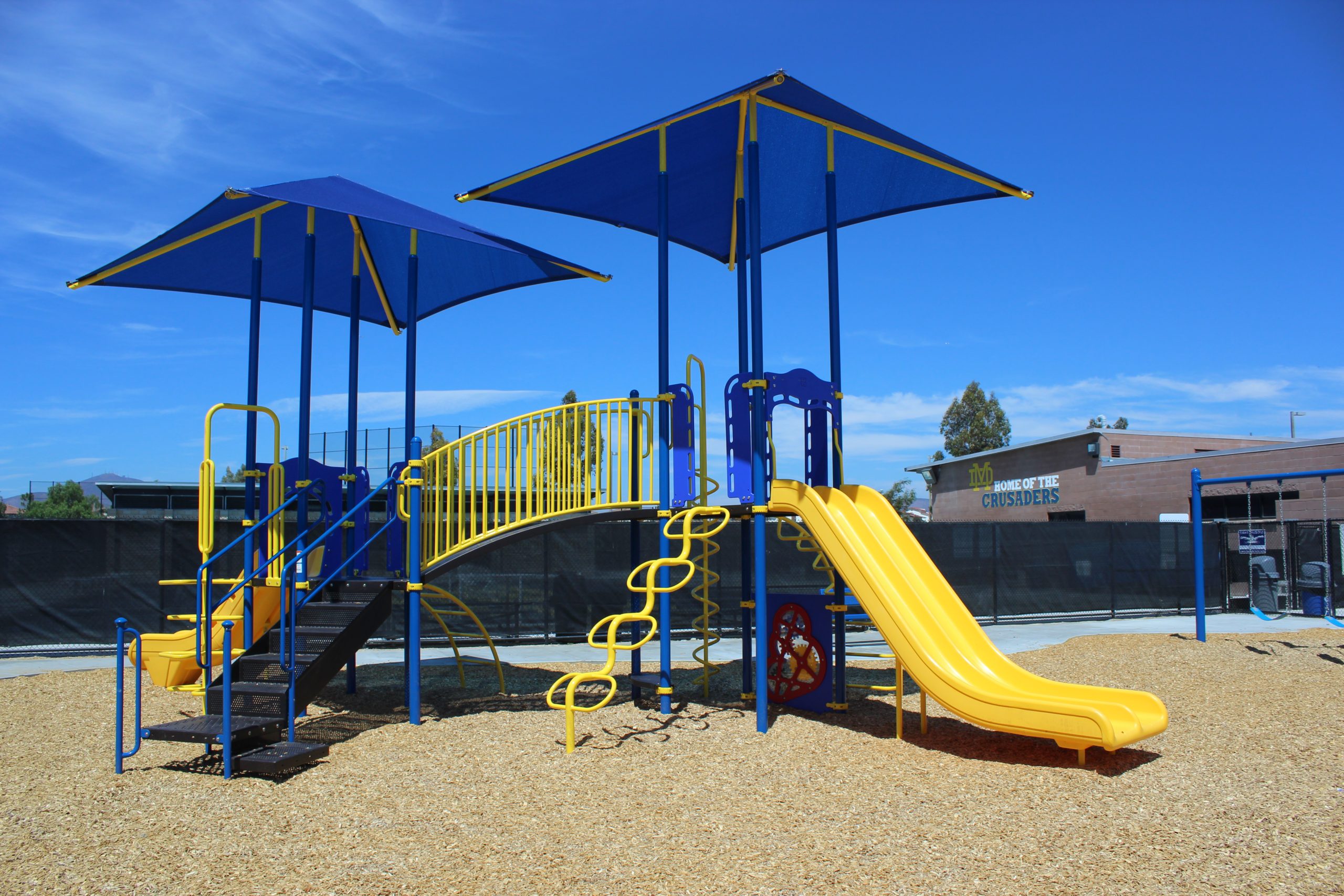
Choosing playground equipment involves more than finding a structure that looks appealing. Schools, parks, churches, and community organizations need equipment that fits their users, property, budget, and long-term plans. In a busy city like Anaheim, playgrounds may serve students during daily recess, families at neighborhood parks, or children in shared community spaces.
When comparing commercial playground equipment in Anaheim, buyers usually look at the complete project rather than equipment alone. They want to know how well the playground will function once children begin using it every day. They also need a supplier who can help turn an idea into a practical plan. Here are six important factors Anaheim buyers often consider when choosing commercial playground equipment and the company that will support the project.
1. Equipment That Can Handle Frequent Use
Commercial playground equipment needs to support much more activity than a residential backyard playset. Schools may have groups of students using the playground throughout the day. Public parks can welcome children and families from morning through evening.
That level of activity makes durability an important buying consideration. Equipment should be designed for shared commercial settings and regular use. Materials, connections, coatings, and individual components all contribute to how well a structure performs over time.
Durability also affects the long-term value of your investment. Choosing equipment based only on appearance or initial price can overlook how it will hold up after years of climbing, sliding, swinging, and daily activity.
When comparing suppliers, look beyond individual structures. Ask about available equipment options, material choices, replacement components, and features that make sense for your setting. A school playground and a neighborhood park may serve very different users. The right equipment choice starts with understanding how the space will actually be used.
2. Play Options That Fit the Children Using the Space
A good playground should match the children who will use it most often. Age range plays an important role in playground design because children need different types of movement, challenge, and interaction as they grow.
Younger children may benefit from appropriately scaled equipment and easier ways to explore. Older children often need more physical challenge and greater activity variety. If your site serves several age groups, the layout may need different play areas or features that give each group meaningful choices.
Buyers should also think about play variety. Children do not all use playgrounds in the same way. Some head directly toward climbing features. Others prefer slides, movement activities, imaginative play, or places where they can interact with friends.
A commercial playground supplier should help you consider these differences before equipment is selected. The goal is not to fit as many components as possible into the space. It is to create a balanced playground where the activities make sense for your students or community.
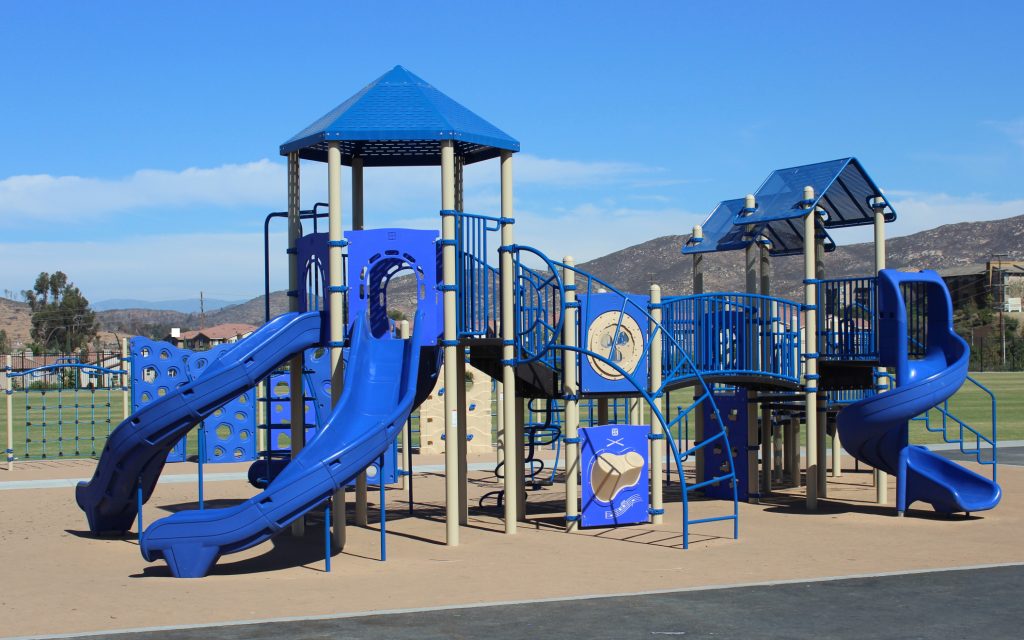
3. Inclusive Design That Encourages More Children to Participate
Accessibility should be part of playground planning from the beginning. It should not feel like an extra feature added after the main structure has already been chosen.
Schools and community organizations should consider how children with different abilities will enter, move through, and use the play area. Routes into the playground matter. Surfacing matters. The position of activities also affects whether children can interact within the same space.
Inclusive design goes beyond physical access. Children have different sensory, social, and developmental needs. A playground can offer active challenges while also providing sensory elements, imaginative activities, social spaces, and other ways to participate.
This is where thoughtful planning becomes important. Adding one accessible feature does not automatically create an inclusive playground. You need to look at how the entire space works together.
A supplier with commercial playground design experience can help you identify ways to provide useful play choices for children of different ages and abilities while staying within your site and project goals.
4. A Design That Makes Good Use of the Available Site
Every playground property comes with its own conditions. The available footprint may be narrow, irregular, surrounded by buildings, or divided by existing features. Choosing equipment from a catalog does not solve these site-specific challenges on its own.
Before selecting a structure, buyers should consider how children will enter and leave the play area. You also need space around equipment for safe movement and surfacing. Existing walkways, landscaping, drainage, shade, and nearby facilities may influence the final layout.
Good site planning can also prevent valuable space from being wasted. A carefully planned playground does not always need the largest structure available. Sometimes a smaller system with well-chosen activities provides better play value and easier movement.
This is why the design process should come before the final equipment order. Your supplier should help you consider how children will move, gather, climb, explore, and interact. The final design should fit the property rather than forcing the property to fit a predetermined structure.
5. A Project That Works Within the Available Budget
Budget affects nearly every playground decision. Equipment is one major part of the investment, but it is not the only cost that buyers need to consider.
Your project may also involve surfacing, site preparation, installation, freight, removal of older equipment, or other property-specific work. Looking at these needs early gives you a more realistic picture of what the project may involve.
A clear budget can actually make playground planning easier. It helps your supplier focus on equipment and features that make sense for the project instead of presenting options that are unlikely to move forward.
This does not mean choosing the cheapest equipment available. Instead, think about where your budget creates the most value. Which activities matter most to your users? How many children need to use the space? Which features support the goals of your school, park, or organization?
A knowledgeable supplier can help you prioritize those decisions so the design reflects your needs without losing sight of the overall budget.
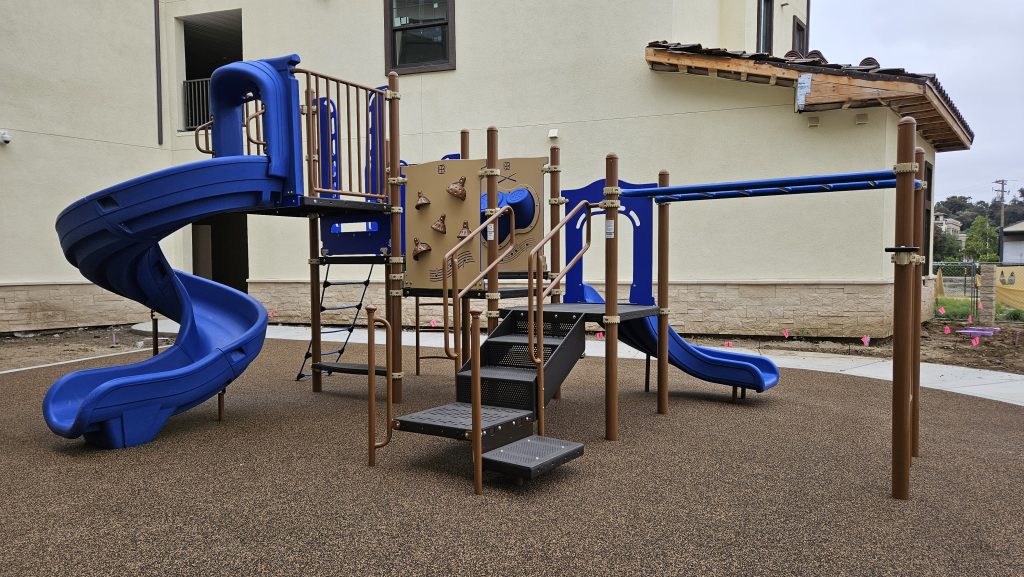
6. Support From Planning Through Installation
Commercial playground projects involve several connected decisions. Equipment selection is only one step. Buyers may also need help with site planning, layout, surfacing, project coordination, and installation.
Working with a playground company that can support several stages of the project can make communication easier. Your design choices stay connected to the realities of the property, and your project information stays consistent as plans move forward.
This support can be especially useful for school administrators, park managers, HOA boards, churches, and other organizations that do not manage playground projects every day. You should be able to ask questions, understand your options, and know what each stage of the process involves.
The right supplier should act as a project partner, not simply an equipment seller. Clear communication, practical recommendations, and reliable installation support can make it easier to move from early planning to a finished playground.
Choosing Commercial Playground Equipment in Anaheim
The right playground starts with understanding what your organization actually needs. Consider who will use the space, how often they will use it, and which activities will provide meaningful play. Then look at accessibility, site conditions, available budget, durability, and the level of project support you need. These factors give you a stronger basis for comparing both equipment and suppliers.
If you are planning commercial playground equipment in Anaheim, Pacific Play Systems can help bring your playground project to life. We work with you to understand your site, users, priorities, and budget before developing recommendations for the space. Our team can support playground design, equipment selection, and turnkey installation based on your project needs. Contact Pacific Play Systems to schedule a free consultation and start planning a safe, engaging, and functional playground for your school or community.